
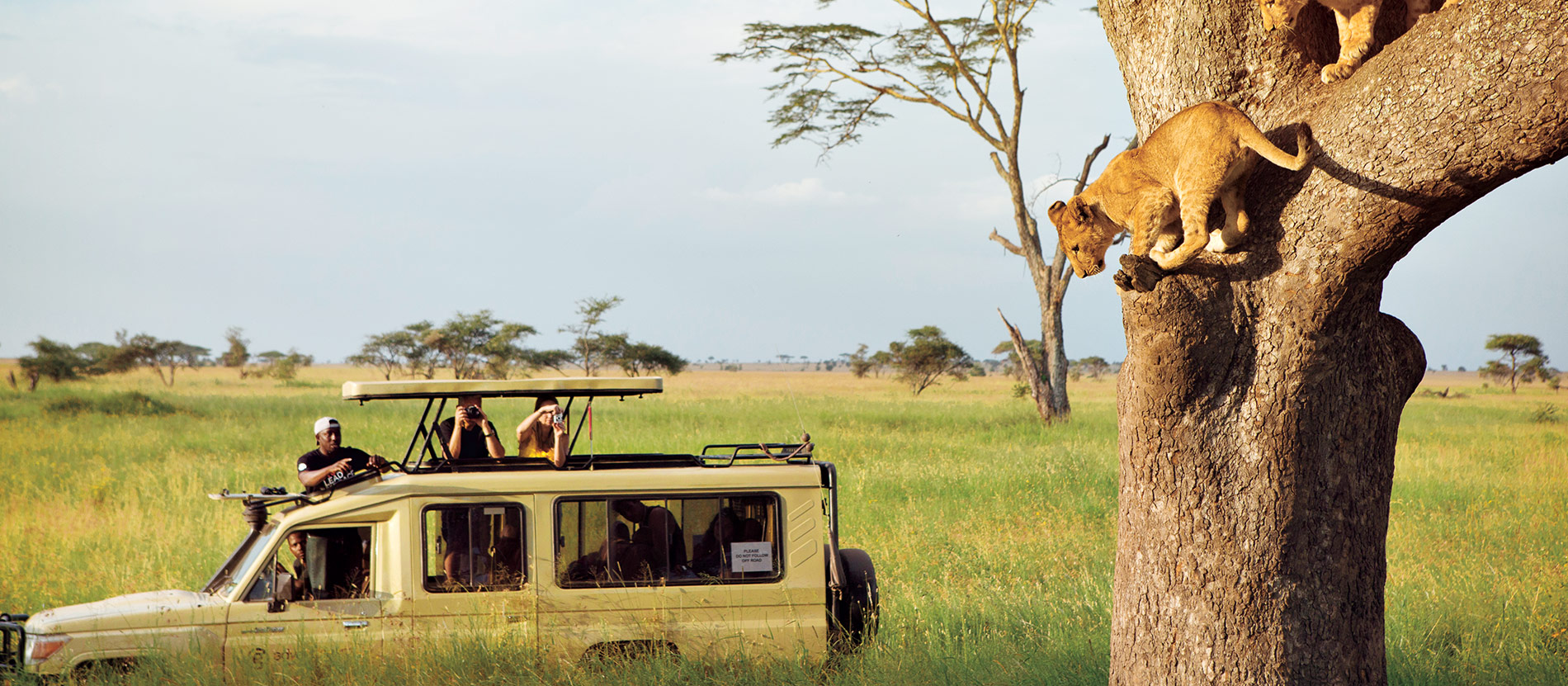
Plan Tanzania tours and safaris with expert tips on timing, packing, guides, and park choices plus Zanzibar add-ons and responsible travel advice.
Planning Tanzania tours and safaris is more than choosing a destination it’s about crafting a well-timed, well-prepared experience that matches your travel style and priorities. From the vast plains of the Serengeti to the crater floor of Ngorongoro, Tanzania offers unmatched wildlife viewing, cultural depth, and logistical variety. Whether you’re chasing the Great Migration, tracking big cats, or relaxing in Zanzibar after days in the bush, the success of your safari depends on smart choices. Timing, guides, packing, and park selection all play a role in shaping your trip. With the right approach, Tanzania tours and safaris become not just memorable, but meaningful.
This guide offers practical, value-driven tips to help travelers avoid common mistakes and maximize their experience. It covers everything from when to go and how to book, to what to pack and how to travel responsibly. You’ll learn why fewer parks often mean better sightings, how early mornings lead to richer wildlife moments, and why combining safari with Zanzibar adds balance. Tanzania tours and safaris are best enjoyed when they’re planned with care, respect for nature, and attention to detail. Whether you’re a first-time visitor or returning for a deeper experience, these tips will help you build a safari that’s rewarding from start to finish.
Choose the Right Time to Go
Timing matters when planning Tanzania tours and safaris. The dry season from June to October is ideal for wildlife viewing, as animals gather around water sources and visibility is high. January to February is perfect for seeing the Great Migration calving in the Ndutu area, while July to September offers dramatic Mara River crossings. Shoulder seasons like November and March–May come with fewer crowds and lower prices, though some rain may affect road conditions. For Tanzania tours and safaris to run smoothly, align your travel dates with your interests whether it’s predator action, baby animals, or budget flexibility. Avoid April and May due to heavy rains that can disrupt access to parks and reduce wildlife sightings.
Book Early
Advance planning is essential for Tanzania tours and safaris, especially during peak months. Lodges in popular parks like Serengeti and Ngorongoro fill up fast, and permits for gorilla trekking or Kilimanjaro climbs are limited. Booking 6–12 months ahead secures your preferred accommodations and guides, ensuring your safari isn’t compromised by last-minute availability issues. Tanzania tours and safaris are best enjoyed when logistics are locked in early, giving you access to top-rated camps, private vehicles, and well-timed itineraries. Early booking also helps with budgeting and allows time to prepare for visa, vaccinations, and gear.
Focus on Fewer Parks, Not More
Trying to cover too many parks in one trip can lead to fatigue and rushed experiences. Tanzania tours and safaris are more rewarding when you spend 3–4 nights in each location, allowing time to see wildlife patterns and enjoy the landscape. Combining Serengeti with Ngorongoro Crater or Tarangire with Manyara offers variety without long drives. For a quieter experience, consider Nyerere or Ruaha, which are less visited but rich in wildlife. Tanzania tours and safaris should prioritize depth over quantity quality sightings and relaxed pacing make for better memories and fewer logistical headaches.
Invest in a Great Guide
A skilled guide can transform Tanzania tours and safaris from average to exceptional. Local guides know animal behavior, park terrain, and cultural etiquette, making each day more informative and safe. Choose Tanzanian-owned operators with strong reputations and well-trained staff. Tanzania tours and safaris depend heavily on your guide’s ability to spot wildlife, explain ecosystems, and handle unexpected situations. Don’t settle for the cheapest option investing in a knowledgeable guide means better sightings, smoother logistics, and a more respectful experience with nature and communities.
Pack Smart
Packing the right gear makes Tanzania tours and safaris more comfortable and efficient. Neutral-colored clothing helps you blend into the environment, while layers keep you warm during early morning drives, especially in Ngorongoro. Bring binoculars, a camera with zoom lens, power bank, headlamp, and a reusable water bottle. Health items like malaria prophylaxis, sunscreen, insect repellent, and a basic first-aid kit are essential. Tanzania tours and safaris often involve remote areas, so being prepared reduces stress and keeps you focused on the experience rather than what you forgot to bring.
Budget for Tipping
Tipping is expected and appreciated across Tanzania tours and safaris. Guides, drivers, and lodge staff rely on tips as part of their income. Prepare small USD bills in advance $20–$25 per day for your main guide and $5–$10 per day for lodge staff per person is standard. Tanzania tours and safaris run more smoothly when you show appreciation for the people working behind the scenes. Ask your operator for tipping guidelines to avoid confusion. Being generous and fair with tips builds goodwill and supports the local tourism economy.
Embrace Early Mornings and Patience
Wildlife is most active at dawn, so early starts are key to successful Tanzania tours and safaris. Morning drives offer cooler temperatures and better chances of seeing predators on the move. Patience is just as important waiting quietly at waterholes or under shade trees often leads to surprising sightings. Tanzania tours and safaris aren’t about rushing from one animal to the next; they’re about observing behavior and letting nature unfold. Bring snacks, stay quiet, and trust your guide’s instincts. The best moments often happen when you least expect them.
Respect Wildlife and Culture
Respect is central to responsible Tanzania tours and safaris. Keep a safe distance from animals and never feed or provoke them. In villages and towns, dress modestly cover shoulders and knees and always ask before taking photos of people. Tanzania tours and safaris should leave a positive impact, not discomfort or disruption. Learn basic Swahili greetings, follow your guide’s advice, and be mindful of local customs. Respecting both wildlife and communities ensures your trip is welcomed and meaningful, not just for you but for those you meet along the way.
Combine Safari with Zanzibar
After days in the bush, Zanzibar offers a relaxing end to Tanzania tours and safaris. Spend 3–4 nights on the island to unwind, swim, and explore Stone Town’s history and spice farms. Beaches like Nungwi and Paje provide clear waters and laid-back vibes. Tanzania tours and safaris that include Zanzibar balance adventure with rest, giving you time to reflect and recharge. Flights from safari hubs to Zanzibar are frequent and affordable, making the add-on easy to plan. It’s a smart way to round off your trip without needing a separate itinerary.
Travel Responsibly
Responsible travel makes Tanzania tours and safaris more ethical and sustainable. Choose eco-friendly lodges that support conservation and local employment. Avoid single-use plastics by carrying a reusable water bottle and shopping with cloth bags. Say no to wildlife experiences that exploit animals skip elephant rides and cub petting. Tanzania tours and safaris should protect the environment and respect animal welfare. Ask operators about their sustainability practices and support community-based tourism where possible. Responsible choices help preserve Tanzania’s natural beauty and ensure future travelers can enjoy it too.
How to get there to Tanzania tours and safaris
Getting to Tanzania for tours and safaris is straightforward, with three main international airports serving different safari circuits. Kilimanjaro International Airport (JRO) is the most popular entry point for Northern Circuit safaris, including Serengeti, Ngorongoro, and Tarangire. Julius Nyerere International Airport (DAR) in Dar es Salaam is ideal for accessing Southern parks like Nyerere and Ruaha, while Abeid Amani Karume International Airport (ZNZ) on Zanzibar connects beach extensions with mainland safaris. Most travelers fly in from Europe, the Middle East, or other parts of Africa via airlines like KLM, Qatar Airways, Ethiopian Airlines, and Kenya Airways. Once in Tanzania, domestic flights and road transfers arranged by your safari operator make reaching lodges and parks easy. For smooth Tanzania tours and safaris, plan flights based on your chosen circuit and arrival city
Best time to book Tanzania tours and safaris
The best time to book Tanzania tours and safaris is 6 to 12 months in advance, especially if you’re planning to travel during the dry season from June to October or during the Great Migration events in January–February and July–September. These peak periods attract high demand for top lodges, private guides, and permits, making early booking essential to secure preferred options and avoid inflated prices. Tanzania tours and safaris are most successful when logistics are locked in early—this includes domestic flights, park fees, and special activities like balloon safaris or gorilla trekking add-ons. For shoulder seasons like November or March–May, booking 3–6 months ahead may be sufficient, but flexibility is key. Whether you’re chasing wildlife or combining your safari with Zanzibar, early planning ensures your Tanzania tours and safaris run smoothly from start to finish.
Best parks to visit for Tanzania tours and safaris
The best parks to visit for Tanzania tours and safaris include Serengeti National Park, famous for the Great Migration and year-round predator sightings, and Ngorongoro Crater, a natural caldera packed with wildlife including black rhinos. Tarangire National Park stands out for its elephant herds and baobab trees, while Lake Manyara offers tree-climbing lions and flamingos. For quieter, off-grid experiences, Ruaha National Park and Nyerere (Selous) Game Reserve provide vast landscapes and fewer crowds. Gombe and Mahale Mountains are ideal for chimpanzee tracking in the west. Tanzania tours and safaris are most rewarding when you match your interests—whether it’s big cats, birdlife, or remote wilderness with the right park. Each destination offers a distinct wildlife experience, so choosing based on season and travel style is key to a successful safari.
Top things to do during Tanzania tours and safaris
Top things to do during Tanzania tours and safaris include game drives in Serengeti and Ngorongoro Crater, where you can spot lions, elephants, and the Great Migration. Add a hot air balloon safari for aerial views of wildlife, and visit Tarangire for its massive baobabs and elephant herds. In the south, explore Ruaha and Nyerere for quieter, remote experiences. Tanzania tours and safaris also offer chimpanzee tracking in Mahale or Gombe, cultural visits with Maasai communities, and hiking Mount Kilimanjaro for adventure seekers. After the bush, relax in Zanzibar with snorkeling, spice tours, and Stone Town walks. Whether you’re focused on wildlife, landscapes, or local culture, Tanzania tours and safaris deliver a wide range of activities that suit different travel styles and interests
Best places to stay for Tanzania tours and safaris
The best places to stay for Tanzania tours and safaris range from luxury lodges to mobile tented camps, each offering distinct advantages based on location and travel style. In the Serengeti, Mwiba Lodge and Nomad Lamai provide high-end comfort with prime wildlife access, especially during the Great Migration. Near Ngorongoro Crater, Gibb’s Farm offers a cozy farmhouse setting with excellent food and garden views. For remote southern parks like Ruaha, Jabali Ridge delivers stylish suites and panoramic landscapes. Mobile camps such as Serengeti Under Canvas follow seasonal wildlife movements, placing you right in the action. Tanzania tours and safaris benefit from choosing accommodations that match your itinerary whether it’s fly-in luxury, self-drive flexibility, or cultural immersion. Booking early ensures access to top-rated stays that elevate your safari experience