
Plan your Tanzania safari in Serengeti National Park with expert tips on timing, wildlife, top activities, and how to get there for a rewarding experience.
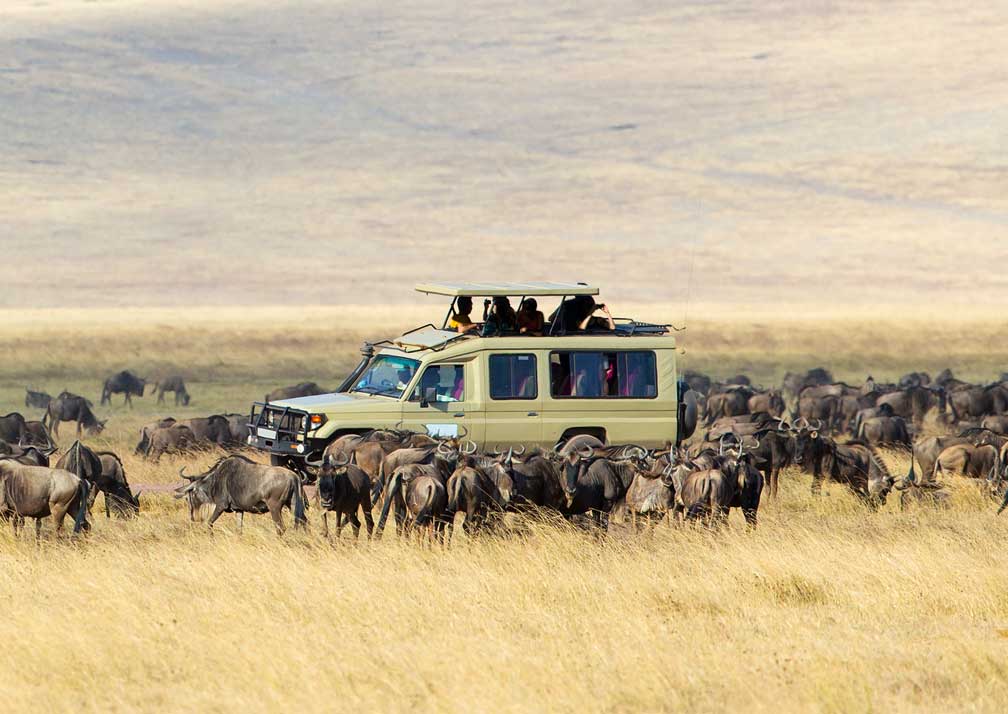
Planning a Tanzania safari in Serengeti National Park means stepping into one of Africa’s most dynamic wildlife regions. The Serengeti is not just famous it’s consistent. Year-round, it offers reliable sightings of lions, elephants, giraffes, and hundreds of bird species. But what sets it apart is the Great Migration, a natural cycle involving over a million wildebeest and zebras moving across the plains in search of fresh grazing. Whether it’s calving season in the south or river crossings in the north, the action never stops. The park’s vast size also means you can enjoy game drives without feeling boxed in by other vehicles, even during peak months.
A Tanzania safari in Serengeti is flexible and can be tailored to different travel styles. From mobile camps that follow the migration to permanent lodges with sweeping views, there’s something for every budget and preference. The infrastructure is solid, guides are well-trained, and conservation efforts are deeply connected to local communities. Whether you’re flying in from Arusha or combining it with other parks like Ngorongoro or Tarangire, Serengeti fits easily into broader itineraries. For travelers who value wildlife, timing, and meaningful experiences, this park delivers substance over hype making it a smart and rewarding choice.
Why choose Tanzania safari in Serengeti
Experiencing a Tanzania safari in Serengeti means placing yourself in the heart of one of the most wildlife-rich regions on Earth. The Serengeti offers front-row access to the Great Migration, where over a million wildebeest and zebras move across the plains in search of fresh grazing. This isn’t just a seasonal spectacle it’s a year-round opportunity to see predators like lions and cheetahs in action, elephants roaming freely, and giraffes silhouetted against golden horizons. The park’s vastness ensures that even during peak seasons, you won’t feel crowded, making your Tanzania safari both personal and rewarding.
Beyond the wildlife, a Tanzania safari in Serengeti gives you flexibility. Whether you’re after budget camping or high-end lodges, the options are well spread across the park’s regions. You can tailor your experience based on timing calving season in the south, river crossings in the north, or quieter months with fewer tourists. The infrastructure is solid, guides are well-trained, and conservation efforts are deeply rooted in local communities. If you’re serious about wildlife and want a safari that delivers substance over hype, Serengeti is where you start.
Best Time to Go for Tanzania Safari in Serengeti National Park
Choosing the right time for a Tanzania safari in Serengeti National Park depends entirely on what you want to see. From December to March, the southern plains host the calving season, where thousands of wildebeest give birth. This attracts predators, making it a good time for wildlife viewing. April and May bring the long rains prices drop, crowds thin out, and the migration shifts toward the central and western areas. If you’re planning a Tanzania safari during these months, be prepared for muddy roads and slower travel, but also fewer vehicles and more breathing room.
June to October is when things heat up. The herds move into the western corridor and then north, facing river crossings at Grumeti and Mara these months are popular and prices reflect that. A Tanzania safari during this period offers high chances of seeing dramatic wildlife action, but also means booking early and budgeting for peak season rates. November marks a transition, with short rains and the herds returning south. It’s a quieter time, ideal for travelers who prefer less traffic and are okay with unpredictable weather. Either way, timing your Tanzania safari well ensures you get the experience you’re after.
How to get to Tanzania safari in Serengeti national park
To get to a Tanzania safari in Serengeti National Park, most travelers start by flying into Kilimanjaro International Airport (JRO) near Arusha or Julius Nyerere International Airport (DAR) in Dar es Salaam. From Arusha, you can take a domestic flight to one of Serengeti’s airstrips like Seronera, Kogatende, or Ndutu depending on the season and where the migration is. Alternatively, you can drive from Arusha, which takes about 7–9 hours and offers a chance to pass through other parks like Lake Manyara and Ngorongoro. Booking through a trusted safari operator ensures smooth transfers, park permits, and accommodation arrangements. Whether you fly or drive, planning ahead is key to making your Tanzania safari in Serengeti seamless and well-timed.
Top attractions to see on a Tanzania safari in Serengeti national park
The Great Migration is the top highlight of any Tanzania safari in Serengeti National Park. Depending on the time of year, you can witness mass calving in the southern plains, dramatic river crossings in the north, or predator-prey interactions across the central and western corridors. Seronera Valley is a reliable spot for year-round wildlife, especially big cats like lions and leopards. The open savannahs make game viewing easy, and the diversity of species from elephants and buffalo to hyenas and jackals is impressive. A Tanzania safari here also offers excellent birding, with over 500 species recorded, including ostriches, secretary birds, and colorful rollers. Whether you’re visiting during peak migration or quieter months, the Serengeti delivers consistent wildlife action.
Beyond the migration, a Tanzania safari in Serengeti National Park reveals unique landscapes and quieter corners worth exploring. The Moru Kopjes are granite outcrops that attract lions and offer views of ancient Maasai rock paintings. Retima Hippo Pool is another favorite, where dozens of hippos gather in muddy waters, often grunting and splashing. In the northern region, the Mara River is a key attraction, especially during crossing season. For those interested in photography or less crowded areas, the eastern Serengeti offers wide horizons and fewer vehicles. A Tanzania safari here isn’t just about ticking off animals it’s about understanding the rhythm of the land, the movement of wildlife, and the balance between nature and conservation.
Best things to do on a Tanzania safari in Serengeti national park
On a Tanzania safari in Serengeti National Park, game drives are the main activity, offering close views of lions, elephants, cheetahs, and the Great Migration depending on the season. Early morning and late afternoon drives are best for spotting wildlife when animals are most active. Hot air balloon safaris provide a bird’s-eye view of the plains and herds below, followed by a bush breakfast. Visiting the Moru Kopjes gives you a chance to see black rhinos and ancient Maasai rock art. The Retima Hippo Pool is a lively stop where dozens of hippos gather. For those interested in culture, some itineraries include visits to nearby Maasai communities. Whether you’re tracking predators or watching wildebeest cross rivers, a Tanzania safari in Serengeti offers nonstop wildlife action and meaningful experiences.
How much does a safari cost in Serengeti?
A Tanzania safari in Serengeti can range widely in price depending on season, accommodation, and travel style. Budget safaris start around $250–$350 per person per day, mid-range options average $500–$800, and luxury safaris can exceed $1,500 daily2. Costs typically include park fees, accommodation, meals, game drives, and guide services. Extras like balloon safaris ($599), cultural visits, or private vehicles add to the total. Park entry fees are about $83 per adult per day, plus concession fees if staying inside the park. Flights to Serengeti from Arusha or Zanzibar also impact the budget. Planning your Tanzania safari in Serengeti with a trusted operator helps manage costs and ensures value for money across seasons and styles.
What is the Big Five safari in Serengeti?
A Tanzania safari in Serengeti offers one of Africa’s best chances to see the Big Five: lion, leopard, elephant, buffalo, and rhino. Lions are abundant, especially in Seronera and Lobo Valley, with over 3,000 individuals. Leopards are elusive but often spotted in acacia trees during early morning drives. Elephants roam in herds, mostly in woodlands and river areas. Buffalo are widespread, with large herds and solitary bulls that can be aggressive. Rhinos are rare and mostly found near Moru Kopjes, protected by rangers due to poaching threats. A Tanzania safari in Serengeti focused on the Big Five is best planned with experienced guides who know where and when to spot these animals safely and respectfully.
How much does a 3 day safari cost in Serengeti?
A 3-day Tanzania safari in Serengeti typically costs between $900 and $1,200 for budget or mid-range options, and up to $4,500+ for luxury packages. Prices depend on group size, travel season, and accommodation type. Shared camping tours are more affordable, while private safaris with lodge stays cost more. Most packages include park fees, meals, game drives, and transport from Arusha. Fly-in safaris from Zanzibar or Dar es Salaam are faster but more expensive. A Tanzania safari in Serengeti over three days is enough to see major wildlife highlights, especially if timed with the migration or focused on Big Five sightings. Booking early and choosing the right region helps maximize value.
Top tips for best Tanzania safari in Serengeti national park
To get the best out of your Tanzania safari in Serengeti National Park, time your visit based on the migration’s movement calving season in the south (Dec–Mar), river crossings in the north (Jul–Oct), or quieter green season (Apr–May) for fewer crowds. Choose a reliable safari operator with strong conservation values and experienced guides. Decide whether you prefer a fly-in safari for comfort or a road safari for added exploration. Pack light but smart: neutral clothing, layers, sun protection, and waterproof gear are essential. Focus on regions that match your interests Seronera for big cats, Moru Kopjes for rhinos, or the Mara River for dramatic crossings. Booking early during peak months ensures better accommodation and smoother logistics, making your Tanzania safari both efficient and rewarding.
Best places to stay on a Tanzania safari in Serengeti national park.
On a Tanzania safari in Serengeti National Park, top places to stay include Namiri Plains in the eastern region, known for its excellent predator sightings and quiet surroundings. In the central Serengeti, Serengeti Serena Safari Lodge offers great access to year-round wildlife and sweeping views of the plains. Olakira Migration Camp moves with the herds, placing you close to the action during calving and river crossing seasons. Singita Mara River Camp in the north is ideal during migration months, with prime access to the Mara River crossings. Dunia Camp stands out for its all-female guiding team and intimate atmosphere. Each location offers a different experience depending on the season and region, so choosing based on migration timing and wildlife interests will make your Tanzania safari more rewarding