
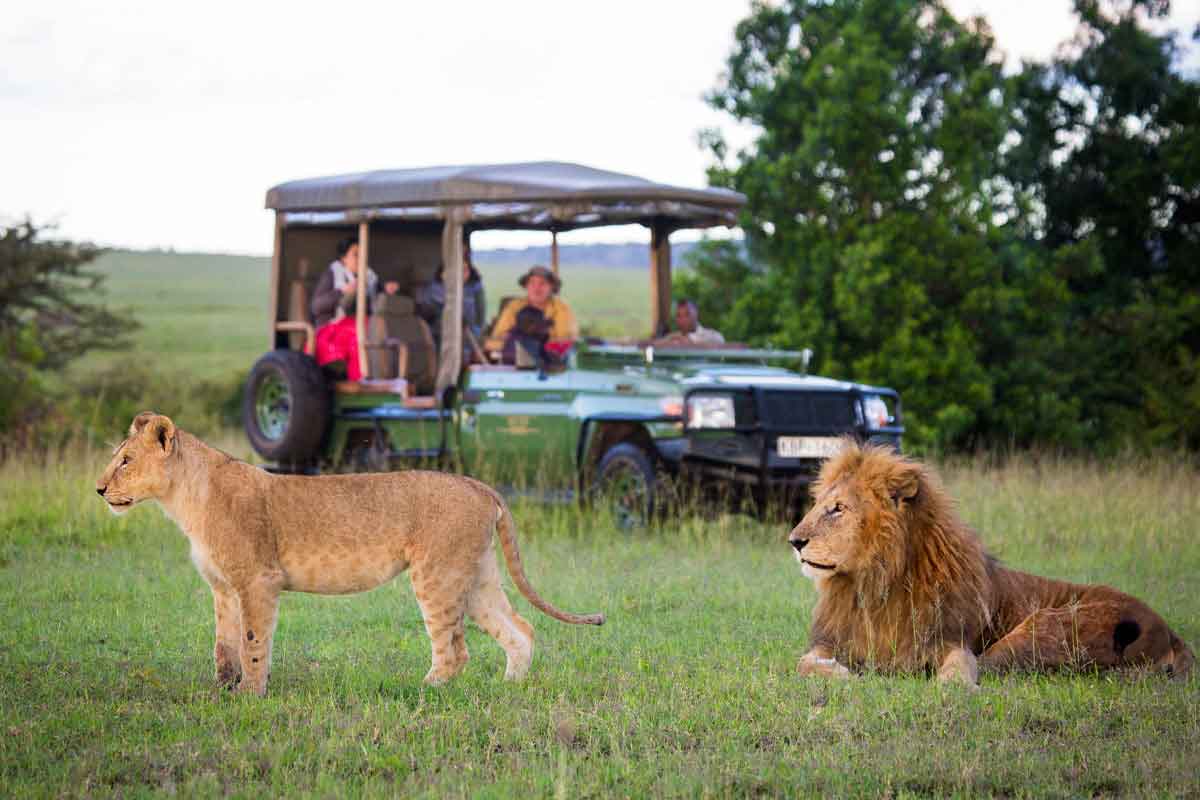
Plan your Tanzania safari holiday during the best seasons for wildlife, culture, and photography. Get expert tips on timing, routes, activities, and top destinations.
Experience the richness of Tanzania’s wildlife and landscapes with a well-timed safari holiday that aligns with nature’s most dramatic cycles. Whether you’re watching wildebeest brave the Mara River or witnessing newborn calves take their first steps in Ndutu, the timing of your trip shapes everything. A Tanzania safari holiday during the dry season (June to October) offers clear skies, concentrated wildlife at water sources, and prime predator sightings. For those drawn to intense action and photography, the short dry season (January to February) delivers the calving spectacle and strong predator-prey dynamics. Choosing the right season means better visibility, fewer disruptions, and access to key migration routes.
Planning a Tanzania safari holiday around these seasonal highlights also helps avoid common travel pitfalls. Booking flights into Kilimanjaro or Dar es Salaam, securing lodges early, and working with local operators ensures smooth logistics and access to top parks like Serengeti, Ngorongoro, Nyerere, and Ruaha. Each region offers distinct experiences—from boat safaris in Nyerere to crater drives in Ngorongoro so aligning your itinerary with the best time to visit makes a real difference. Whether you prefer action-packed game drives or quieter, bird-rich landscapes, timing is key to maximizing value, comfort, and wildlife sightings throughout your Tanzania safari holiday.
The Best Time to Go for Tanzania Safari Holiday
Dry Season Late June – October
The dry season is the most reliable time for a Tanzania safari holiday, especially if your priority is wildlife viewing. With little rain and sparse vegetation, animals gather around rivers and waterholes, making sightings easier and more frequent. This is also when the Great Migration crosses the Mara River in Northern Serengeti, offering dramatic scenes from July to September. Days are sunny and pleasant, but early mornings can be cold, especially in areas like Ngorongoro. A Tanzania safari holiday during this period means fewer mosquitoes, clear skies, and excellent photography conditions. However, expect higher prices and more vehicles at popular spots. If you want consistent game drives and prime predator action, this season delivers strong value despite the crowds.
Short Rains, the Green Season from November – December
The short rains bring fresh greenery and fewer tourists, making this a quieter time for a Tanzania safari holiday. Afternoon showers are brief and rarely disrupt activities, while the landscape quickly turns vibrant. Wildlife is still visible, and birdwatching is excellent due to the arrival of migratory species. This is also when herds begin moving south, preparing for calving season. A Tanzania safari holiday in this period offers lower accommodation rates and a more relaxed pace. While some rain may affect visibility, most drives continue as planned. It’s a good choice for travelers who prefer fewer crowds and are interested in photography or birding without paying peak season prices.
Short Dry Season from January – February
This is the best time for witnessing the Great Migration calving season in the Ndutu area, where over half a million wildebeest give birth. Predator activity is intense, with lions and hyenas drawn to the newborns. A Tanzania safari holiday during this short dry spell offers good weather, dramatic skies, and excellent photography opportunities. Although it’s not as crowded as peak migration months, popular areas can still be busy due to the calving spectacle. Birding remains strong, and the landscape is open enough for clear views. Choosing a Tanzania safari holiday in this window gives you access to rare wildlife behavior and strong predator-prey dynamics, ideal for travelers focused on action and photography.
Long Rains from March – May
The long rains are the least popular time for a Tanzania safari holiday, but they offer serious discounts and solitude. Heavy rainfall can make dirt roads impassable, and some remote camps close during this period. Wildlife is harder to spot due to dense vegetation and widespread water sources. However, animals are still present, and dramatic skies can be great for photography. A Tanzania safari holiday in this season suits travelers who don’t mind unpredictable conditions and want to avoid crowds. Prices drop by up to 50%, making it budget-friendly. If you’re flexible and prepared for occasional disruptions, this season can still deliver rewarding experiences just with more patience and planning.
How to get to Tanzania safari holiday during the best time
To get to your Tanzania safari holiday during the best time, start by booking flights into Kilimanjaro International Airport (JRO) or Julius Nyerere International Airport (DAR), depending on whether you’re heading to Northern parks like Serengeti or Southern ones like Nyerere. Plan your travel around the dry season (June to October) or calving season (January to February) for optimal wildlife viewing. Secure your accommodations and internal transfers whether by road or bush flights at least 6–9 months in advance, especially for peak months. A Tanzania safari holiday during these windows requires early planning to avoid inflated prices and limited availability. Work with a trusted local operator to align your itinerary with seasonal highlights, ensuring smooth logistics and access to prime wildlife areas.
Top destinations to visit on Tanzania safari holiday at best time
Serengeti National Park is the centerpiece of any Tanzania safari holiday, especially for those seeking the Great Migration and Big Five sightings. Its vast plains host millions of wildebeest and zebra, along with predators like lions and cheetahs. Nearby, the Ngorongoro Crater offers a compact yet wildlife-rich experience, with black rhinos, elephants, and flamingos thriving in its volcanic basin. Tarangire National Park stands out for its massive elephant herds and ancient baobab trees, while Lake Manyara provides unique sightings of tree-climbing lions and diverse birdlife. A Tanzania safari holiday through the northern circuit allows easy access to these parks, with varied landscapes and reliable game viewing throughout the year.
For a quieter Tanzania safari holiday, the southern circuit offers Nyerere National Park and Ruaha National Park both known for fewer crowds and raw wilderness. Nyerere’s river systems attract hippos, crocodiles, and wild dogs, while Ruaha is ideal for spotting lions and large elephant populations. Katavi National Park, though remote, rewards adventurous travelers with dramatic buffalo herds and untouched terrain. Off the mainland, Zanzibar adds a coastal break with spice tours and historic Stone Town. A Tanzania safari holiday that combines these regions gives travelers a balanced mix of wildlife, culture, and relaxation across diverse ecosystems.
Best things to do on Tanzania safari holiday
One of the best things to do on a Tanzania safari holiday is tracking the Great Migration in the Serengeti. Depending on the season, you can witness river crossings in the north or calving in the south, both offering intense predator-prey action. Game drives are the core activity, but timing and location matter early morning and late afternoon drives yield the best sightings. A Tanzania safari holiday here also allows for guided walking safaris in private concessions, giving you a ground-level view of the ecosystem. For photographers, golden light and dramatic skies make this region ideal. Booking with experienced guides ensures safety and access to prime wildlife areas without overcrowding.
Another highlight of a Tanzania safari holiday is exploring Nyerere National Park, especially for those interested in wild dogs and river-based wildlife. Boat safaris on the Rufiji River offer a different perspective, with hippos, crocodiles, and birds visible from the water. Walking safaris are also popular here, led by armed rangers who explain tracks, plants, and animal behavior. A Tanzania safari holiday in Nyerere is quieter than the northern parks, ideal for travelers who prefer fewer vehicles and more remote settings. The park’s size and diversity make it perfect for multi-day exploration, especially when combined with nearby cultural visits.
Cultural experiences add depth to any Tanzania safari holiday. Visiting Maasai villages near the Serengeti or engaging with local communities around Lake Eyasi provides insight into traditional lifestyles and how people coexist with wildlife. These interactions are respectful and informative, often arranged through trusted operators who prioritize ethical tourism. A Tanzania safari holiday can also include visits to historical sites like Olduvai Gorge or spice farms in Zanzibar, depending on your route. For those with extra time, climbing Mount Kilimanjaro or relaxing on Zanzibar’s beaches offers a strong contrast to the bush. Combining wildlife, culture, and nature creates a well-rounded experience that suits different travel styles.
Top tips for Tanzania safari holiday during best time to visit
To make the most of your Tanzania safari holiday during the best time to visit typically June to October or January to February book early to secure top lodges and guides, especially in Serengeti and Ngorongoro. Choose lightweight, neutral-colored clothing for game drives, and pack layers for chilly mornings. Use a reputable local operator who understands seasonal wildlife movements and can position you near key events like the Great Migration or calving season. Carry binoculars, sun protection, and insect repellent, even during dry months. A Tanzania safari holiday during peak season also means higher demand, so flexibility with travel dates and routes can help avoid crowds while still accessing prime viewing areas. Always confirm internal flight schedules and park fees in advance.
What to carry for Tanzania safari holiday during the best time
When preparing for a Tanzania safari holiday during the best time typically June to October or January to February pack lightweight, neutral-colored clothing like khaki or olive to blend into the environment. Include a warm fleece or jacket for chilly mornings, breathable shirts for hot afternoons, and sturdy walking shoes. A soft-sided duffle bag is ideal for bush flights with weight limits. Essentials include sunscreen, insect repellent, a wide-brim hat, sunglasses, and a refillable water bottle. Bring binoculars and a good camera with extra batteries for wildlife viewing. Add a compact rain jacket in case of unexpected showers. Include personal medications, travel documents, and a small daypack for game drives. Keep everything organized and easy to access throughout your Tanzania safari holiday.
Top places to stay during Tanzania safari holiday
For a Tanzania safari holiday in the northern circuit, top choices include Mwiba Lodge in the Southern Serengeti, known for its exclusivity and prime location during the calving season. Klein’s Camp on the northeastern edge of the Serengeti offers private game viewing and panoramic views. Near Ngorongoro Crater, Gibb’s Farm provides a peaceful retreat with farm-to-table dining and easy access to the crater floor. For mobile migration tracking, Serengeti Under Canvas and Nomad Lamai offer seasonal tented camps that follow wildlife movements. These lodges combine comfort, privacy, and strategic positioning, making them ideal for travelers focused on wildlife and photography during their Tanzania safari holiday.
In the southern circuit, Jabali Ridge in Ruaha National Park stands out for its elevated views and elegant design, perfect for those seeking remote luxury. In Nyerere National Park, Beho Beho offers walking safaris and intimate bush experiences, while Siwandu Camp provides riverfront access and boat safaris on the Rufiji River. These southern lodges are less crowded and offer deeper immersion into Tanzania’s wild landscapes. For travelers wanting a quieter Tanzania safari holiday with strong wildlife diversity and fewer vehicles, these properties deliver high value and personalized service. Booking early ensures access to prime locations during peak seasons.