
Uganda is a year-round destination that offers unique safari experiences regardless of when you visit. However, understanding its seasonal variations can help you plan a trip that aligns with your interests and preferences. The country’s equatorial climate means it experiences both wet and dry seasons throughout the year, which can significantly impact your safari experience. Whether you’re tracking endangered gorillas, cruising along the Kazinga Channel to spot hippos and crocodiles, or marveling at the vibrant birdlife in Murchison Falls National Park, understanding the best time to visit Uganda is crucial for making the most of your trip.
One of the most remarkable aspects of a safari to Uganda is its diversity. From the mystical Bwindi Impenetrable Forest, home to half of the world’s mountain gorillas, to the sprawling plains of Queen Elizabeth National Park, where tree-climbing lions roam, Uganda offers a variety of ecosystems that cater to all types of safari-goers. Add to this the shimmering waters of Lake Victoria and the majestic River Nile, and you have a destination that is as diverse as it is enchanting.
Uganda’s location near the equator ensures a relatively stable climate throughout the year, with temperatures typically ranging from 20°C to 30°C (68°F to 86°F). However, the country experiences two main seasons: the dry season and the wet season. These seasons play a significant role in determining the best time for safari tours, including gorilla trekking and wildlife viewing.
Dry Seasons: December to February and June to September
The dry seasons are widely regarded as the best times to visit Uganda for safari tours. During these months, rainfall is minimal, making it easier to navigate national parks and trekking trails. The vegetation is less dense, improving visibility for wildlife spotting and photography.
Top activities to do in dry season
Gorilla Trekking in Bwindi and Mgahinga
One of Uganda’s most sought-after experiences is gorilla trekking in Bwindi Impenetrable National Park and Mgahinga Gorilla National Park. The dry seasons are ideal for this activity as the trails are less muddy and slippery, ensuring a more comfortable trekking experience. Additionally, gorillas tend to stay closer to their feeding areas during this time, increasing your chances of encountering them.
Wildlife Viewing in Savannah Parks
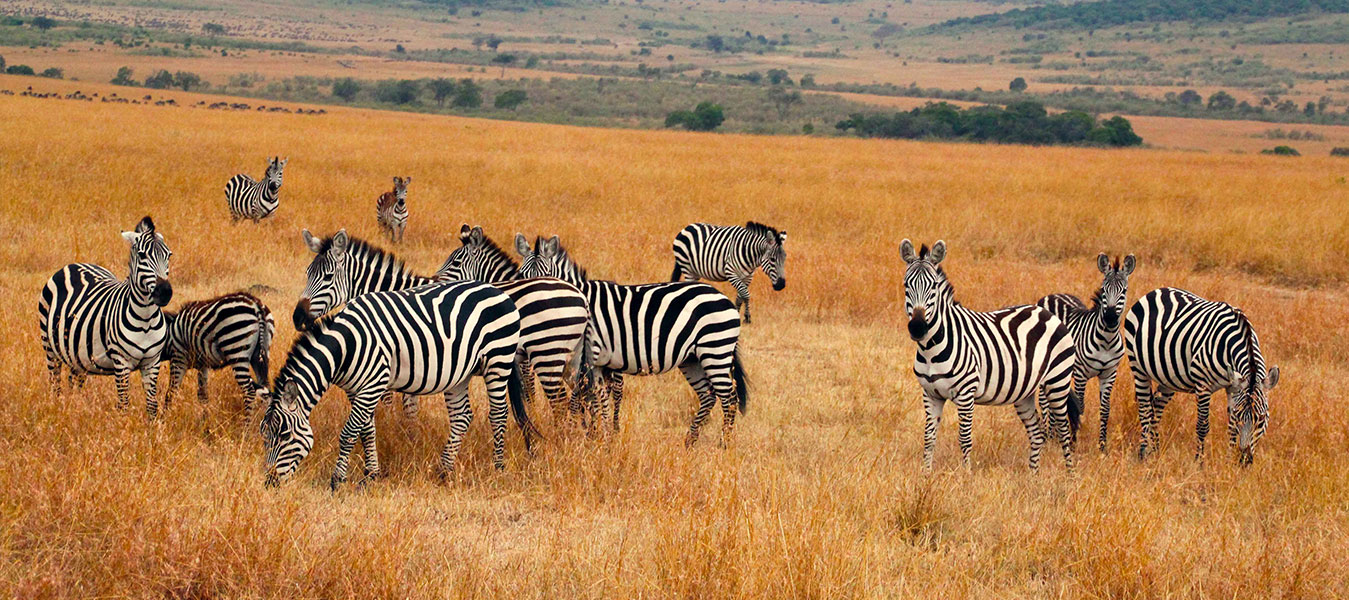
Uganda’s savannah parks, such as Queen Elizabeth National Park, Murchison Falls National Park, and Kidepo Valley National Park, come alive during the dry seasons. Animals congregate around water sources due to limited rainfall, making it easier to spot iconic species like elephants, lions, giraffes, and buffaloes. Game drives during these months are more rewarding as wildlife tends to be more active and visible.
Wet Seasons: March to May and October to November
The wet seasons bring heavy rains to Uganda, transforming the landscape into a lush green paradise. While these months are less popular among tourists due to challenging weather conditions, they offer unique advantages for certain activities and travelers seeking solitude.
Bird Watching
Uganda is a birding haven with over 1,000 species recorded across its diverse habitats. The wet seasons are particularly favorable for bird enthusiasts as migratory species arrive during this time. Wetlands like Mabamba Swamp and parks like Kibale National Park become vibrant with birdlife, offering incredible opportunities for sightings of rare species such as the shoebill stork.
Gorilla Trekking
Although trekking trails can be muddy and challenging during the wet seasons, gorilla trekking remains possible year-round. The lush greenery adds a magical touch to the experience, making it an excellent choice for photographers seeking dramatic forest landscapes.
Factors to Consider When Choosing Your Travel Time
Wildlife Behavior
Understanding wildlife behavior is key to planning your safari. During the dry season, animals are more predictable as they gather around water sources. In contrast, the wet season disperses wildlife across larger areas due to abundant water availability.
Accessibility
Roads and trekking trails are more accessible during the dry seasons. Heavy rains in the wet season can make certain areas difficult to reach, particularly remote regions like Kidepo Valley National Park.
Crowds and Costs
The dry seasons coincide with peak tourist periods in Uganda. While this ensures optimal conditions for safaris, it also means higher accommodation costs and larger crowds at popular attractions like Bwindi Impenetrable Forest. If you prefer quieter experiences or are traveling on a budget, consider visiting during the shoulder months at the start or end of each wet season.
Month-by-Month Guide
January and February
These months fall within the dry season and are among the best times for gorilla trekking and wildlife safaris. Expect sunny days and excellent visibility for game drives and photography.
March to May
The wet season begins in March and peaks in April and May. While rainfall can be heavy, this period is ideal for bird watching due to migratory species arriving in Uganda’s wetlands. Gorilla trekking remains possible but requires sturdy footwear and rain gear.
June to September
This is Uganda’s longest dry season and arguably the best time for all safari activities. Wildlife viewing is exceptional as animals congregate around water sources, while trekking trails remain manageable for gorilla tracking adventures.
October and November
The short-wet season begins in October and extends into November. While rainfall increases during this time, it’s still possible to enjoy safaris with fewer crowds and lower costs compared to peak dry season months.
December
December marks the start of Uganda’s short dry season, offering favorable conditions for both gorilla trekking and savannah safaris. It’s a popular month for travelers looking to escape winter in other parts of the world.
Best lodges to stay on Uganda safari tours
For those exploring Bwindi Impenetrable Forest, renowned for gorilla trekking, luxury options like Sanctuary Gorilla Forest Camp and Buhoma Lodge provide exceptional service and breathtaking views. In Queen Elizabeth National Park, Mweya Safari Lodge and Kyambura Gorge Lodge stand out for their prime locations and opportunities to spot wildlife, including tree-climbing lions. For adventurers heading to Murchison Falls National Park, Paraa Safari Lodge offers panoramic views of the Nile River alongside world-class amenities. Kibale Forest Lodge is ideal for chimpanzee tracking in Kibale National Park, offering eco-friendly accommodations surrounded by lush greenery. Those seeking remote wilderness experiences can opt for Apoka Safari Lodge in Kidepo Valley National Park, known for its exclusivity and proximity to untouched wildlife habitats.