
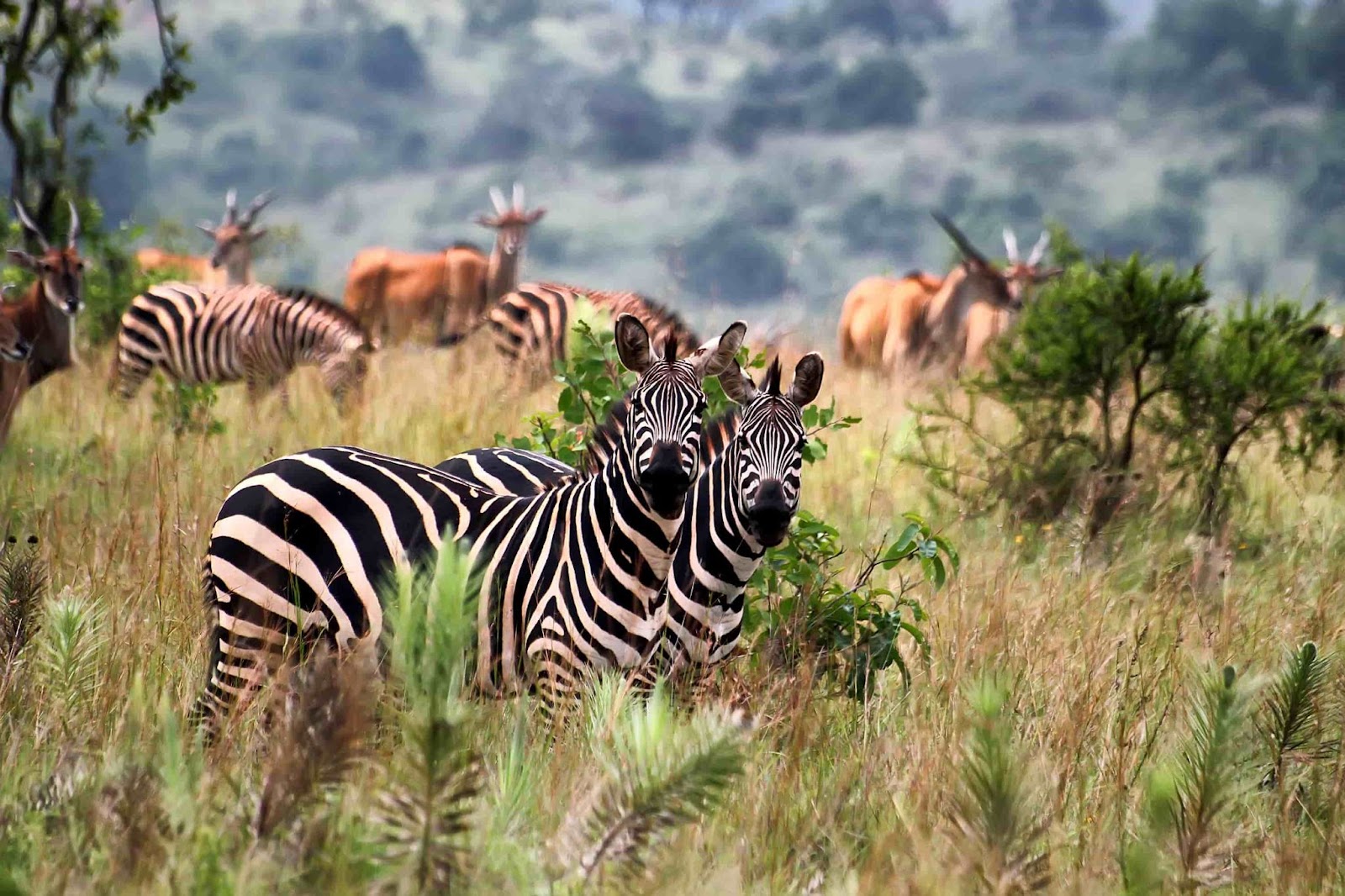
Rwanda safari package offers an extraordinary blend of wildlife encounters, natural beauty, and cultural experiences that cater to all types of travelers. From trekking through Volcanoes National Park to relaxing by Lake Kivu’s shores, each destination showcases the country’s unique charm. From lush green hills to serene lakes and dense rainforests, Rwanda safari packages offers an unparalleled natural beauty that captivates visitors from around the globe.
One of Rwanda’s most notable attractions is its incredible biodiversity. The country is home to rare and iconic species, including the endangered mountain gorillas, golden monkeys, and a variety of birdlife found nowhere else on Earth. Beyond its wildlife, Rwanda boasts a vibrant cultural heritage, with traditions deeply rooted in its history and people. Visitors can immerse themselves in local customs, explore ancient sites, and witness the resilience and progress of a nation that has overcome immense challenges. Rwanda’s safari packages are tailored to suit all types of travelers, whether you’re an avid wildlife enthusiast, a nature lover seeking tranquility, or someone looking to experience a unique blend of adventure and cultural immersion.
Volcanoes National Park
Volcanoes National Park is one of the most sought-after destinations for Rwanda safari-goers. Located in the Virunga Mountains, this park is home to the critically endangered mountain gorillas. Gorilla trekking is undoubtedly the highlight here, offering visitors a once-in-a-lifetime opportunity to observe these majestic creatures in their natural habitat. The park also features golden monkeys, lush bamboo forests, and stunning volcanic landscapes. Beyond wildlife encounters, Volcanoes National Park is rich in history, being the site where Dian Fossey conducted her groundbreaking research on gorillas.
Akagera National Park
Akagera National Park is Rwanda’s premier destination for traditional savannah safaris. Covering over 1,100 square kilometers, this park boasts diverse ecosystems, including wetlands, savannah plains, and woodlands. Visitors can embark on game drives to spot the “Big Five” lions, elephants, rhinos, leopards, and buffalo as well as giraffes, zebras, and antelopes. Birdwatchers will also delight in spotting over 480 bird species. Akagera’s scenic lakes and rivers provide opportunities for boat safaris, offering a unique perspective of the park’s beauty.
Nyungwe Forest National Park
Nyungwe Forest National Park is a haven for Rwanda primate safaris. This ancient rainforest is one of Africa’s most biodiverse regions, hosting over 13 primate species, including chimpanzees and colobus monkeys. Visitors can enjoy guided chimpanzee tracking experiences or encounter on canopy walks that offer breathtaking views of the forest. Nyungwe also boasts countless hiking trails, waterfalls, and a rich array of flora and fauna. For those seeking serenity and adventure combined, this park is an unmissable destination.
Lake Kivu
Lake Kivu is one of Africa’s Great Lakes and a popular destination for relaxation after a thrilling safari. Its crystal-clear waters are surrounded by verdant hills and picturesque towns such as Gisenyi and Kibuye. Visitors can enjoy boat rides, kayaking, or simply unwind on the lake’s tranquil shores. Lake Kivu also offers cultural experiences with local fishing communities and vibrant markets. The lake is an ideal spot to recharge while soaking in Rwanda’s natural beauty.
Kigali Genocide Memorial
While not a traditional safari destination, the Kigali Genocide Memorial is an essential stop for understanding Rwanda’s history and resilience. This memorial honors the victims of the 1994 genocide against the Tutsi and serves as a place of reflection and education. Visitors can explore exhibits detailing Rwanda’s tragic past while gaining insight into its remarkable journey toward reconciliation and progress. The memorial is a poignant reminder of the strength and unity of the Rwandan people.
Gishwati-Mukura National Park
Gishwati-Mukura National Park is one of Rwanda’s newest conservation areas for eco-tourism enthusiasts. This park consists of two forests Gishwati and Mukura and is home to chimpanzees, golden monkeys, and various bird species. Visitors can explore hiking trails that meander through lush vegetation while learning about Rwanda’s efforts to restore degraded ecosystems. Gishwati-Mukura offers an intimate safari experience away from the crowds.
The King’s Palace Museum
Located in Nyanza, the King’s Palace Museum provides a fascinating glimpse into Rwanda’s royal history and cultural heritage. The museum features traditional royal residences, including a replica of a king’s palace made of grass thatch. Visitors can learn about Rwanda’s monarchy, traditional customs, and rituals through guided tours and cultural performances. The museum also houses long-horned Inyambo cattle, revered for their symbolic significance in Rwandan culture.
Iby’Iwacu Cultural Village
For an immersive cultural experience, Iby’Iwacu Cultural Village near Volcanoes National Park is a must-visit destination. This village allows visitors to interact with local communities while learning about Rwandan traditions, dances, songs, and crafts. Guests can participate in activities such as banana beer brewing or basket weaving while gaining insight into rural Rwandan life. Iby’Iwacu offers an authentic cultural connection that complements any safari adventure.
Twin Lakes: Burera and Ruhondo
The Twin Lakes of Burera and Ruhondo are serene destinations located near Volcanoes National Park. These interconnected lakes are surrounded by stunning landscapes of rolling hills and terraced farms. Visitors can enjoy boat rides or fishing excursions while taking in panoramic views of the Virunga Mountains. The Twin Lakes are perfect for those seeking tranquility and scenic beauty during their safari journey.
Musanze Caves
Musanze Caves are a fascinating geological attraction located near Volcanoes National Park. These ancient lava tunnels stretch over two kilometers and offer visitors a chance to explore Rwanda’s underground wonders. Guided tours provide insight into the formation of the caves as well as their historical significance as shelters during times of conflict. Musanze Caves add an adventurous twist to any safari itinerary.
When is the best time to visit Rwanda for safari
The best time to visit Rwanda for a safari is during the dry seasons, which occur from mid-December to early February and from June to September. These periods offer ideal conditions for wildlife viewing as animals tend to gather around water sources, and the vegetation is less dense, making it easier to spot them. Additionally, these months are perfect for trekking to see the iconic mountain gorillas in Volcanoes National Park, as the trails are less muddy and more accessible. June to September is particularly popular due to the pleasant weather and the annual Kwita Izina ceremony, a unique gorilla-naming event. While the wet seasons (March to May and October to November) bring lush green landscapes and fewer crowds, they can also make trekking more challenging.